Studying abroad is a life-changing experience that opens doors to global education, cultural exposure, and career opportunities. However, before stepping into a new country and beginning university life, one of the most important things every international student must prepare carefully is their travel documentation. Missing a single document can create unnecessary stress at the airport, delay immigration clearance, or even affect university enrollment after arrival.
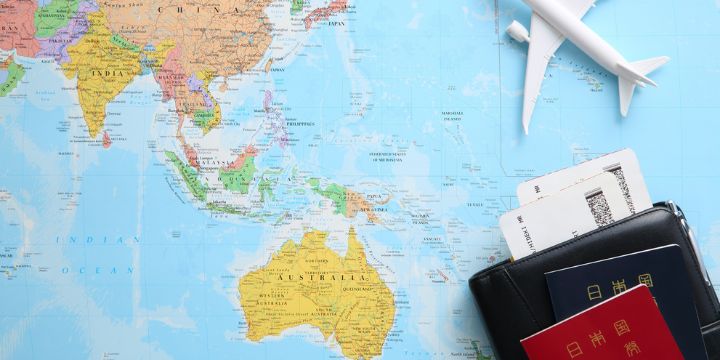
Many students spend months preparing applications, visas, and accommodation plans, yet they often overlook how important it is to organize their paperwork properly before departure. Understanding the travel documents need to carry to study abroad can help international students avoid confusion and travel confidently.
This guide explains all the essential documents international students should carry, why they matter, and how to organize them effectively for a smooth transition into student life overseas.
Why Travel Documents Are So Important for International Students
Travel documents are more than simple paperwork. They serve as legal proof of identity, admission status, financial capability, and travel authorization. Immigration officers, airlines, universities, and even landlords may request certain documents during different stages of your journey abroad.
International students often assume that receiving a visa is the final step, but proper document preparation remains equally important. Airports and immigration departments may ask additional questions regarding your university, financial support, or accommodation plans. Having organized documents allows you to answer confidently and avoid delays.
Well-prepared paperwork also becomes useful after arrival. Universities may ask for original academic records during enrollment, banks may request identification documents for account opening, and local authorities may require proof of student status. Carrying everything in one secure and accessible place makes these processes significantly easier.
Passport and Student Visa: Your Most Essential Documents
Your passport is the single most important document you will carry while studying abroad. Before departure, make sure your passport is valid for the required duration specified by your destination country. Many countries expect passports to remain valid for several months beyond the intended stay period.
Check your passport carefully for damage, loose pages, or incorrect information. Even small issues can create complications during international travel. Keep your passport in a secure waterproof holder that remains easily accessible throughout the journey.
Your student visa is equally critical. Carry printed copies of your visa approval, visa letter, or electronic visa confirmation if applicable. Even though many systems are now digital, physical copies are still extremely useful when internet access becomes limited or mobile devices stop working.
It is also smart to keep photocopies of your passport and visa separately from the originals. Many experienced travelers additionally store digital scans in cloud storage or email them to themselves as an emergency backup.
University Admission and Enrollment Documents
Your university documents confirm the purpose of your travel and your eligibility to study in the destination country. International students should carry their admission letter, enrollment confirmation, tuition fee receipts, scholarship letters if applicable, and any official communication provided by the institution.
Immigration officers sometimes ask students about the university, program duration, or course details. Having printed university documents ready helps answer these questions quickly and professionally.
Many universities also require original admission papers during orientation or registration after arrival. Students who arrive without proper paperwork may face delays in completing enrollment procedures or accessing campus facilities.
If your institution has provided accommodation letters, student identification references, or orientation schedules, include them in your document folder as well. These details become extremely useful during the first few days abroad when navigating unfamiliar systems and locations.
Financial Documents That Prove Your Funding
Financial proof is a major part of international student travel preparation. Most countries require students to demonstrate that they can support tuition fees and living expenses during their studies.
Carry recent bank statements, education loan approvals, sponsorship letters, scholarship documents, and proof of tuition fee payment. If your parents or guardians are sponsoring your education, keep supporting financial records that clearly explain the funding arrangement.
These documents may not always be requested at immigration, but they should still remain accessible. In certain situations, immigration officers may ask students to show evidence of financial readiness before allowing entry into the country.
Students should also carry details of international debit cards, forex cards, or travel cards separately from the physical cards themselves. This small precaution becomes extremely valuable if cards are lost or temporarily blocked during travel.
Flight Tickets and Accommodation Proof
International students should always carry printed copies of their flight itinerary, boarding information, and accommodation confirmation. Although digital travel apps are convenient, relying entirely on mobile devices can become risky if batteries drain or internet connectivity becomes unavailable.
Your accommodation documents prove where you plan to stay after arrival. Whether you are moving into university housing, private student accommodation, or a rented apartment, carry the address, booking confirmation, payment receipt, and contact details of the property owner or housing office.
This information may be requested during immigration checks in some countries. It also helps students quickly navigate airport pickups, taxi services, or public transportation after landing.
Keeping accommodation details in both digital and printed format is one of the simplest ways to reduce stress during international travel.
Academic Records and Educational Certificates
Academic documents are another important part of the travel documents need to carry to study abroad. Many universities require original educational records for final verification even if scanned copies were submitted during the admission process.
Carry transcripts, degree certificates, mark sheets, transfer certificates, migration certificates if required, and standardized test score reports such as IELTS, TOEFL, SAT, GRE, or GMAT depending on your course requirements.
Students pursuing technical or professional programs may also benefit from carrying internship certificates, work experience letters, and recommendation letters. While these documents may not be requested immediately, they can become valuable during internships, scholarship applications, or part-time job opportunities abroad.
Keep all academic papers in protective folders to avoid folding, tearing, or accidental damage during transit.
Health Insurance and Medical Documents
Healthcare systems vary significantly between countries, and medical treatment abroad can be expensive without insurance coverage. International students should carry their health insurance policy documents, insurance card details, emergency contact information, and coverage summaries.
Some universities require students to show proof of health insurance before attending classes or accessing campus services. Having the documents readily available simplifies the registration process.
Students who take prescription medication should carry a doctor’s prescription along with the medicines in original packaging. Certain medications that are common in one country may require explanation or approval in another.
Vaccination records may also be important depending on the destination country or university guidelines. Keeping a personal medical summary, especially for allergies or ongoing health conditions, is a smart precaution for long-term international stays.
Identity Proofs and Emergency Backup Documents
Apart from your passport, carrying additional identity proof can be helpful in various situations. Government-issued identity cards, driver’s licenses, or national identification documents may assist with local verification processes or financial services.
International students should also carry multiple passport-sized photographs. These photos are often needed for transportation cards, student IDs, bank applications, and local registrations after arrival.
It is highly recommended to create an emergency information sheet containing important phone numbers, university contacts, embassy details, accommodation addresses, and family emergency contacts. If your phone becomes inaccessible during travel, this sheet can become extremely useful.
Some experienced travelers also keep a second set of copies in a separate bag in case the primary folder gets misplaced.
How International Students Should Organize Their Documents
Having the correct documents is important, but organization matters just as much. Students should arrange their papers in separate sections using a waterproof folder or travel organizer.
The best approach is to divide documents into categories such as passport and visa papers, university documents, financial records, accommodation details, academic certificates, and emergency copies.
Keep the most important originals in your cabin baggage rather than checked luggage. Checked baggage can be delayed or misplaced, while cabin baggage stays accessible during the entire journey.
Digital preparation is equally important. Scan all essential documents and store them securely in cloud storage, email backups, or encrypted folders. This precaution can save significant time and stress if physical documents are lost.
Common Mistakes International Students Should Avoid
One of the biggest mistakes students make is overconfidence. Many travelers assume digital copies are enough, but physical copies are still extremely important in many international travel situations.
Another common issue is inconsistent information across documents. Students should carefully verify that names, passport numbers, university details, and visa information match correctly everywhere.
Packing important documents inside checked luggage is another avoidable mistake. Travel documents should always remain with you throughout the journey.
Some students also carry disorganized papers loosely inside bags, which creates confusion during airport checks. A clean, properly arranged folder not only saves time but also creates a professional impression during interactions with immigration or university officials.
Final Thoughts
Preparing the travel documents need to carry to study abroad is one of the most important responsibilities for any international student. Proper documentation helps ensure smooth airport procedures, stress-free immigration clearance, and easier university registration after arrival.
The smartest approach is to prepare early, organize carefully, and keep both physical and digital backups of every important paper. International education already comes with enough excitement and adjustment. Well-organized documents remove unnecessary complications and allow students to focus on settling into their new academic journey.
Studying abroad is not just about reaching another country. It is about starting a new chapter with confidence, independence, and preparation. Carrying the right travel documents gives international students exactly that sense of security from the moment they leave home until they begin their new life overseas.