Studying abroad is no longer just about attending lectures, passing exams, and collecting travel memories on weekends. For many international students, it has become a chance to build a personal brand, develop practical skills, meet people from different cultures, and explore career paths that did not exist in the same way a decade ago. Two areas that show this shift clearly are Portrait Photography and Esports.
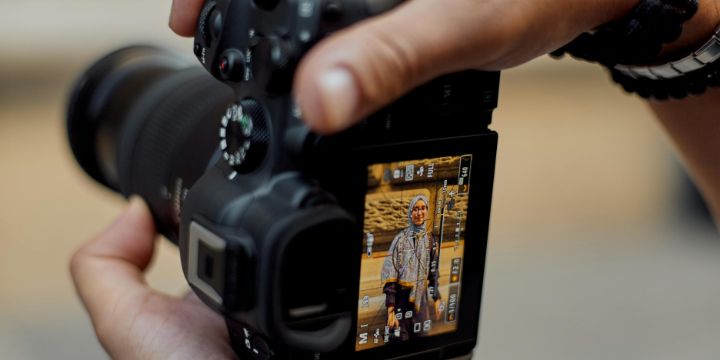
At first, these fields may seem completely different. Portrait photography is built around people, emotion, lighting, storytelling, and visual identity. Esports is fast-paced, competitive, digital, and deeply connected to gaming culture, live events, streaming, and online communities. Yet for students studying abroad, both can open real opportunities for networking, creativity, part-time projects, portfolio building, and even future careers.
Why Modern International Students Need More Than a Degree
A degree still matters, but it is no longer the only thing that helps students stand out. Employers, clients, collaborators, and even universities increasingly value practical experience, communication skills, adaptability, and proof that a student can create something meaningful outside the classroom. When international students develop skills like portrait photography or esports event involvement, they gain more than a hobby. They build evidence of initiative, discipline, cultural awareness, and creativity.
Studying abroad also places students in a unique environment where new stories are everywhere. Every campus has diverse student groups, cultural festivals, graduation ceremonies, sports clubs, gaming societies, and personal milestones. These moments create a natural demand for visual content, event coverage, social media storytelling, and community engagement. A student who learns how to capture strong portraits or support esports competitions can quickly become valuable within campus communities.
This matters because international students often face the challenge of starting from zero in a new country. They may not have local friends, family networks, or professional contacts when they arrive. Creative and digital activities provide a natural way to meet people without forcing awkward networking. A camera, a gaming event, or a student club can become the bridge between feeling like an outsider and becoming part of a real community.
Portrait Photography as a Practical Skill for Study Abroad Life
Portrait Photography is one of the most accessible creative paths for international students because it starts with people. Students do not need a luxury studio or expensive equipment to begin. A smartphone with good light, a basic camera, or an entry-level mirrorless setup can be enough to practice composition, posing, background selection, and storytelling. What matters most is learning how to make people feel comfortable and how to create images that reflect personality.
On a study abroad campus, portrait photography can be useful almost immediately. Students often need professional-looking profile photos for LinkedIn, internships, university applications, scholarship pages, personal websites, and graduation announcements. Many international students also want lifestyle portraits to send home to family or share their experience online. A student photographer who understands this need can offer affordable, friendly sessions that feel less intimidating than a formal studio appointment.
The real value of portrait photography is not only technical. It teaches communication, patience, observation, and trust. When photographing someone from another culture, a student must understand personal boundaries, style preferences, confidence levels, and how people want to be represented. These soft skills are useful far beyond photography. They help in interviews, teamwork, client work, marketing, and almost any career that involves people.
For international students hoping to earn money, it is important to be careful and professional. Paid photography work may be restricted depending on student visa rules, local tax regulations, and university policies. Before accepting paid bookings, students should check with their international student office and understand what is allowed. Even when paid work is not possible, portrait photography can still support a strong portfolio, volunteer experience, student media involvement, and future creative opportunities.
Esports as a Serious Opportunity, Not Just Entertainment
Esports has moved far beyond the stereotype of students simply playing games in their dorm rooms. Today, esports includes competitive teams, event production, coaching, broadcasting, commentary, social media management, sponsorships, analytics, community moderation, graphic design, and video editing. For international students, this creates many entry points, even for those who are not elite players. Someone who understands gaming culture and has reliable organizational skills can contribute meaningfully to an esports club or competition.
Universities in many countries now have gaming societies, esports arenas, varsity teams, or student-led tournaments. These communities often need people who can manage registrations, create promotional content, stream matches, coordinate schedules, photograph players, write recaps, or design social media posts. This is where students can turn interest into experience. A well-run esports event can demonstrate leadership, project management, teamwork, and digital communication in a way that future employers can easily understand.
For international students, esports also has a social advantage. Gaming communities often connect people across language barriers because the shared activity creates instant common ground. A student who feels nervous in traditional social settings may find it easier to join a team, attend a tournament, or volunteer at a gaming event. Over time, these interactions can lead to friendships, collaborations, and campus visibility.
Esports also introduces students to modern career ecosystems. The industry overlaps with technology, entertainment, media, event management, education, and brand partnerships. A business student might explore sponsorship strategy. A computer science student might become interested in game analytics or platform development. A media student might build experience in live production, while a photography student might specialize in player portraits and event storytelling.
Where Portrait Photography and Esports Naturally Connect
The connection between Portrait Photography and Esports is stronger than many students first realize. Competitive gaming needs strong visual identity, just like traditional sports. Teams need player headshots, promotional images, tournament posters, social media graphics, behind-the-scenes content, and emotional storytelling after big wins or losses. A student with photography skills can become an important part of an esports community without needing to compete at the highest level.
Imagine a university esports tournament where players arrive wearing team jerseys, spectators gather around screens, and student organizers are trying to make the event feel professional. Good portraits can make the players look confident and serious. Candid images can capture tension, teamwork, celebration, and focus. These visuals help the club promote future events, attract sponsors, recruit members, and build a recognizable identity on campus.
This is also a smart niche for international students because it blends creativity with a growing digital culture. A student might build a single portfolio around a portrait photography esports competition study abroad experience, showing not only images but also the story behind the event. That kind of project can be used in applications for internships, media roles, marketing positions, design programs, or student leadership awards. It proves the student can work in a real environment, manage deadlines, understand a community, and produce useful content.
The best results come when the photographer respects the culture of esports. Players do not want generic photos that make the event look staged or disconnected from gaming. They want images that capture concentration, identity, team spirit, and the atmosphere of competition. A student who takes time to understand the games, the players, and the emotional rhythm of the tournament will create stronger work than someone who simply points a camera at a screen.
Building a Portfolio That Feels Real and Valuable
A strong portfolio is one of the biggest advantages students can create while studying abroad. It does not need to be huge, but it should show range, intention, and growth. For portrait photography, this might include student headshots, environmental portraits, graduation sessions, creative editorial-style images, and portraits from cultural events. For esports, it might include player portraits, tournament coverage, team photos, event branding images, and behind-the-scenes storytelling.
The key is to present the work as more than random pictures. Each project should explain the purpose, the challenge, and the result. For example, instead of simply posting ten images from an esports competition, a student can describe how the photos helped promote the next tournament or increased engagement on a club’s social media page. This approach makes the portfolio more professional because it shows practical impact.
International students should also think about personal branding. A clear Instagram page, LinkedIn profile, online gallery, or simple website can make their work easier to share. The tone should be professional but human, showing both technical skill and personality. A student does not need to pretend to be an established agency. It is often more authentic to say, “I am an international student building visual stories around campus life, student portraits, and esports communities.”
Consistency matters more than perfection. One thoughtful project each month can build a stronger portfolio than a burst of random work followed by silence. Students should also ask for permission before sharing portraits, especially when photographing private events or individuals from different cultural backgrounds. Respecting consent and privacy is part of being trustworthy, and it is also essential for long-term reputation.
Turning Campus Communities Into Real Opportunities
The best opportunities often begin inside the university itself. Student unions, cultural associations, esports clubs, international student offices, career centers, and academic departments regularly need content and event support. A student interested in portrait photography can offer to take photos for club leadership pages, student ambassador profiles, or cultural festival promotions. A student interested in esports can volunteer with tournament setup, match scheduling, livestream coordination, or media coverage.
These early opportunities may not always be paid, but they can still be valuable when handled strategically. The goal is not to work endlessly for free. The goal is to gain credible experience, build relationships, and create proof of skill. After a few successful projects, students can ask for testimonials, referrals, portfolio permission, or official recognition from clubs and departments. These small signals can make a big difference when applying for internships or freelance opportunities later.
Networking should feel natural rather than transactional. A student photographer can attend events, introduce themselves politely, share a few sample images, and ask organizers whether they need coverage for future activities. An esports enthusiast can join a club first as a participant or volunteer before offering bigger ideas. Trust grows when people see reliability over time.
International students should also be mindful of workload. Studying abroad can be demanding, and creative projects should not damage academic performance or mental health. The smartest approach is to choose a few meaningful opportunities instead of saying yes to everything. Quality work, delivered on time, will always create a better reputation than overcommitting and disappearing.
Skills Students Can Develop Through Photography and Esports
Both portrait photography and esports help students build transferable skills that employers value. Photography develops visual communication, editing discipline, client interaction, creative direction, and attention to detail. Esports develops teamwork, strategic thinking, digital literacy, event coordination, audience engagement, and performance under pressure. Together, they offer a powerful combination of creativity and modern media awareness.
For example, photographing an esports competition requires planning, timing, communication, and fast decision-making. The photographer must understand the schedule, know when key matches happen, identify important players, manage lighting challenges, and deliver images quickly enough for social media use. This is very similar to real professional environments where deadlines and expectations matter. A student who can explain this process clearly in an interview will sound more experienced than someone who only lists software skills.
These activities also strengthen cultural intelligence. International students often work with classmates from many backgrounds, each with different communication styles and expectations. Portrait photography teaches sensitivity to personal identity and representation. Esports teaches collaboration in diverse teams where roles, strategies, and reactions can vary widely. These lessons are practical and deeply relevant in global workplaces.
Another underrated skill is confidence. Many students arrive abroad feeling unsure of their voice, accent, style, or place in the community. Creating useful work gives them a reason to connect with others. Over time, the student becomes known not just as someone studying abroad, but as someone who contributes.
Staying Professional, Ethical, and Safe
Opportunities are exciting, but professionalism is what turns them into long-term value. Students should always communicate clearly about expectations before a photography session or esports event. This includes timing, image delivery, usage rights, editing limits, payment rules if applicable, and whether photos can be shared publicly. Even informal campus projects benefit from simple written agreements or confirmation messages.
Ethics are especially important in portrait photography. A good portrait can shape how someone is seen by others, so consent should never be treated casually. Students should ask before posting images, avoid embarrassing or misleading edits, and respect requests for removal when reasonable. In multicultural environments, it is also wise to be aware of religious, cultural, and personal preferences around photography.
In esports, professionalism includes fair play, respectful communication, and healthy boundaries. Competitive environments can become intense, and students should avoid toxic behavior, harassment, or exclusionary language. If helping to organize events, they should support clear rules, inclusive participation, and safe spaces for new players. A positive reputation in gaming communities is built not only on skill but also on maturity.
Students should also understand local rules around work, freelancing, and taxes. Some study abroad visas allow limited work hours, while others restrict self-employment or paid freelance services. Because rules vary by country and can change, students should rely on official university and government guidance rather than advice from friends. Being careful early prevents problems later.
How International Students Can Start Without Feeling Overwhelmed
The easiest way to begin is to choose one small project. A student interested in portrait photography might offer free or low-cost profile photos to two classmates, then practice editing and delivery. A student interested in esports might attend one campus tournament, volunteer for setup, or ask whether the club needs help with social media. Small steps are better than waiting for perfect equipment, perfect confidence, or perfect timing.
From there, students can combine both worlds. They might photograph an esports team before a tournament, create player profile images, capture candid moments during matches, and write a short event recap for the club’s page. This creates a complete mini-project with visual, social, and storytelling value. It also gives the student something concrete to discuss with future collaborators or employers.
Learning should be ongoing but practical. Students can study lighting, composition, editing, gaming event formats, livestream basics, and social media strategy. However, they should apply what they learn quickly instead of getting stuck in endless tutorials. Real improvement comes from doing the work, reviewing mistakes, asking for feedback, and trying again.
The goal is not to become famous overnight. The goal is to build confidence, skill, and meaningful evidence of growth while studying abroad. When students treat creative and esports opportunities seriously, they create experiences that can support both personal development and professional direction.
Conclusion: A Modern Study Abroad Experience Is What Students Make of It
Studying abroad gives international students more than academic knowledge. It places them in a new environment filled with people, stories, communities, events, and digital opportunities. Portrait Photography helps students capture identity, build relationships, and develop a visual portfolio. Esports helps them enter fast-growing communities where teamwork, media, competition, and technology come together.
The strongest opportunities often appear when these fields overlap. A student who can photograph players, document tournaments, support esports branding, and tell authentic campus stories becomes more than a participant. They become a creator, connector, and contributor. That kind of experience can shape confidence, friendships, employability, and future career options.
For international students, the message is simple: do not limit study abroad to classrooms and exams. Use the campus as a place to learn, create, compete, collaborate, and grow. Whether through portrait photography, esports, or a thoughtful mix of both, modern students have more ways than ever to turn their study abroad journey into a meaningful and memorable advantage.