Studying abroad is a dream for millions of students worldwide. The opportunity to gain a globally recognized education, experience a new culture, and build an international career network can be life-changing. However, one major concern often prevents students from pursuing this dream cost.
Tuition fees, accommodation, transportation, and daily living expenses can quickly add up, making many popular study destinations seem out of reach. The good news is that several countries offer high-quality education at surprisingly affordable prices. These destinations provide excellent academic opportunities without leaving students burdened by excessive debt.
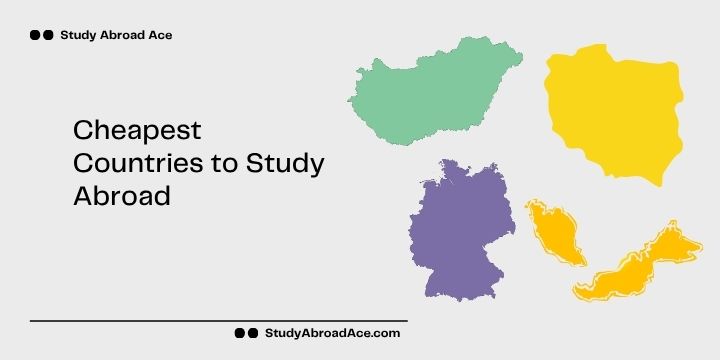
If you’re searching for the cheapest countries to study abroad, this guide will help you discover destinations that combine affordability, quality education, and strong career prospects. Whether you’re planning an undergraduate degree, master’s program, or professional certification, these countries deserve serious consideration.
Why Choosing an Affordable Study Destination Matters
The cost of studying abroad extends beyond tuition fees. Many students underestimate expenses such as rent, health insurance, transportation, food, study materials, and visa-related costs. Choosing a country with a lower overall cost of living can significantly reduce financial stress and allow students to focus on their education.
Affordable study destinations also make it easier to work part-time, save money, and gain valuable international experience without constantly worrying about finances. In many cases, graduates can enter the workforce with fewer financial obligations, giving them greater flexibility in their career choices.
Today’s international students are becoming increasingly strategic. Rather than focusing solely on famous study destinations, they are exploring countries that offer strong educational outcomes at a fraction of the cost.
Germany: World-Class Education with Minimal Tuition Fees
Germany consistently ranks among the most affordable countries for international students. Public universities in many German states charge little to no tuition fees, even for international students. Students are typically responsible for only administrative or semester fees, which are significantly lower than tuition costs in countries such as the United States or the United Kingdom.
Beyond affordability, Germany is known for its strong academic reputation, particularly in engineering, technology, business, and scientific research. Universities maintain close relationships with industries, providing students with practical learning opportunities and internship options.
Living expenses vary depending on the city. Major cities like Munich can be more expensive, while smaller student cities such as Leipzig and Dresden offer affordable housing and lower living costs. Germany also allows international students to work part-time, helping them offset everyday expenses while gaining professional experience.
Poland: High-Quality Education at a Budget-Friendly Cost
Poland has emerged as one of Europe’s most attractive destinations for budget-conscious students. Tuition fees are relatively low compared to many Western European countries, and the cost of living remains among the most affordable in the European Union.
Universities in Poland offer a growing number of English-taught programs, making the country accessible to international students from diverse backgrounds. Fields such as medicine, engineering, information technology, and business administration are particularly popular.
Students often find that accommodation, food, transportation, and entertainment are considerably cheaper than in countries like France, the Netherlands, or Sweden. At the same time, Poland’s central European location provides easy access to travel opportunities across the continent, enhancing the overall study abroad experience.
Hungary: Affordable Degrees with Strong International Recognition
Hungary has gained attention among international students due to its affordable tuition fees and reputable universities. The country offers numerous English-language degree programs across various disciplines, including medicine, dentistry, engineering, and social sciences.
One of Hungary’s major advantages is its balance between educational quality and affordability. Students can often complete a degree at a significantly lower cost than in many Western countries while still receiving internationally recognized qualifications.
Cities such as Budapest provide a vibrant student atmosphere, rich cultural experiences, and relatively affordable living costs. International students frequently praise Hungary for its welcoming environment and excellent public transportation system, which makes daily life both convenient and economical.
Malaysia: A Leading Affordable Study Hub in Asia
Malaysia has become a preferred destination for students seeking affordable education in Asia. The country hosts branch campuses of internationally recognized universities alongside respected local institutions, giving students access to globally relevant education at lower costs.
Tuition fees in Malaysia are generally much lower than those found in Australia, Canada, or the United Kingdom. Additionally, the cost of accommodation, transportation, and food is highly affordable, making it easier for students to manage their budgets.
Malaysia’s multicultural environment is another major advantage. Students from different cultural and religious backgrounds often find it easy to adapt. English is widely used in education and daily communication, reducing language barriers for international students.
Mexico: Affordable Education Close to North America
Mexico is often overlooked when discussing study abroad destinations, but it offers excellent value for international students. Public and private universities provide a variety of affordable programs, and the overall cost of living remains relatively low compared to neighboring countries.
Students can enjoy affordable housing, transportation, and dining while experiencing a rich cultural heritage. Major cities such as Mexico City, Guadalajara, and Monterrey host respected universities and growing international student communities.
For students interested in business, international relations, engineering, or Spanish language studies, Mexico presents an attractive combination of affordability and academic opportunity. Its proximity to the United States also creates valuable networking and career advantages.
Taiwan: Affordable Education with Strong Technology Programs
Taiwan has become increasingly popular among international students, especially those interested in technology, engineering, and innovation-related fields. Universities maintain strong academic standards while offering reasonable tuition fees compared to many Western nations.
Living costs in Taiwan are manageable, particularly outside major urban centers. Students can access affordable public transportation, healthcare services, and housing options. Scholarships are also widely available, helping reduce educational expenses even further.
Taiwan’s thriving technology sector provides students with opportunities to connect with global industries and gain practical experience. The country’s reputation for safety, efficiency, and quality of life makes it particularly appealing for first-time international students.
Turkey: Affordable Education at the Crossroads of Europe and Asia
Turkey offers a unique combination of affordability, cultural diversity, and academic opportunity. Tuition fees at public universities are often quite low, while private institutions remain competitive compared to universities in many Western countries.
The cost of living is generally affordable, especially in student-friendly cities outside major tourist destinations. Students can enjoy a rich historical environment, diverse cuisine, and vibrant social life without exceeding their budgets.
Turkey has also invested heavily in higher education over the past decade, resulting in improved academic infrastructure and increased international collaboration. Numerous scholarship programs are available for international students, making education even more accessible.
Czech Republic: Affordable European Education with Historic Charm
The Czech Republic is another excellent choice for students seeking affordable higher education in Europe. Public universities offer highly respected academic programs, and students studying in the local language may even qualify for tuition-free education in certain cases.
Even English-language programs often remain more affordable than comparable degrees in Western Europe. Living expenses, while slightly higher than some Eastern European countries, are still manageable for most international students.
Prague and Brno attract thousands of international students each year thanks to their academic reputation, cultural richness, and relatively affordable lifestyles. Students benefit from a safe environment, modern infrastructure, and access to the broader European job market.
How to Reduce Study Abroad Costs Even Further
Selecting one of the cheapest countries to study abroad is only the first step toward managing educational expenses effectively. Students can further reduce costs through careful planning and smart financial decisions.
Scholarships remain one of the most effective ways to lower expenses. Many governments, universities, and private organizations offer funding specifically for international students. Researching scholarship opportunities early can significantly improve affordability.
Part-time employment is another valuable option. Many countries allow international students to work during their studies, providing additional income and professional experience. Students should always review local visa regulations before accepting employment.
Choosing shared accommodation, using public transportation, cooking meals at home, and taking advantage of student discounts can also generate substantial savings over time. Small financial habits often make a significant difference throughout a degree program.
Factors to Consider Beyond Cost
While affordability is important, students should avoid making decisions based solely on price. Educational quality, career opportunities, language requirements, visa regulations, safety, and cultural fit are equally important considerations.
A country with slightly higher tuition fees may offer stronger employment prospects after graduation, ultimately providing a better return on investment. Similarly, access to internships, industry connections, and post-study work opportunities can significantly influence long-term career success.
Students should carefully evaluate their academic goals, preferred lifestyle, and future plans before selecting a destination. The cheapest option is not always the best option, but the right balance of affordability and quality can create exceptional value.
Conclusion
Finding the cheapest countries to study abroad does not mean compromising on educational quality. Countries such as Germany, Poland, Hungary, Malaysia, Mexico, Taiwan, Turkey, and the Czech Republic demonstrate that affordable international education is both accessible and rewarding.
These destinations provide students with opportunities to earn respected degrees, experience new cultures, and develop global career skills without accumulating overwhelming financial burdens. By combining thorough research, scholarship opportunities, and smart budgeting strategies, international students can achieve their study abroad goals while keeping costs under control.
As global education becomes increasingly accessible, affordability is no longer a barrier for determined students. Choosing the right destination can open doors to academic success, personal growth, and exciting international career opportunities for years to come.