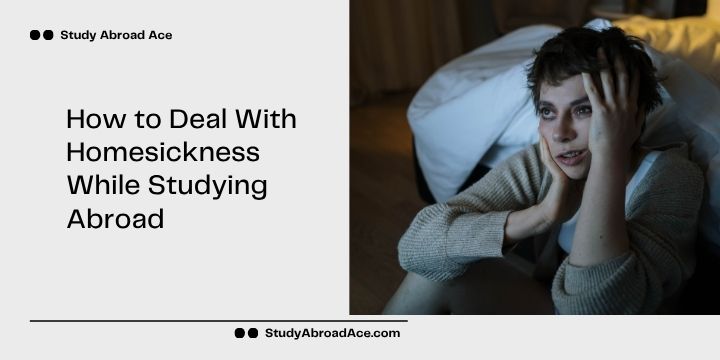
Studying abroad is often described as a life changing experience. It gives students the opportunity to explore new cultures, meet people from around the world, and gain independence. But along with the excitement comes a challenge many international students quietly struggle with homesickness. Missing your family, friends, food, language, and familiar routines is completely normal when you move to another country. Whether you’ve been abroad for a week or several months, homesickness can appear unexpectedly and affect your mood, confidence, and even academic performance.
The good news is that homesickness does not last forever. With the right mindset and a few practical strategies, you can slowly adjust to your new environment and start enjoying your international experience more fully.
In this article, we’ll explore how to deal with homesickness while studying abroad and how to turn your time away from home into a period of personal growth.
Understand That Homesickness Is Normal
One of the first things to remember is that you are not alone. Almost every student who studies abroad experiences homesickness at some point. Even students who seem confident and happy on the outside may be struggling internally.
Homesickness is simply your mind’s emotional response to being separated from the people and places that make you feel comfortable and secure. It does not mean you made the wrong decision or that you are weak.
Instead of fighting the feeling, acknowledge it. Accepting your emotions is the first step toward managing them in a healthy way.
Stay Connected With Loved Ones
Technology makes it easier than ever to stay connected with family and friends back home. Video calls, voice messages, and social media can help you maintain emotional support while adjusting to life abroad.
Try scheduling regular calls with your family instead of constantly checking your phone throughout the day. Having a routine helps create balance and gives you something to look forward to.
However, it’s also important not to overdo it. Spending every free moment talking to people back home can prevent you from adapting to your new environment. The goal is to stay connected without becoming emotionally dependent on home.
Create a Comfortable Routine
One reason homesickness feels overwhelming is because your normal routine suddenly disappears. Everything from your meals to your sleep schedule changes when you move abroad.
Creating a daily routine can bring a sense of stability and comfort. Try to:
- Wake up and sleep at consistent times
- Schedule study hours
- Exercise regularly
- Prepare meals
- Explore your city on weekends
Small routines help your new environment feel more familiar and manageable.
Make New Friends
Building relationships in your new country can significantly reduce feelings of loneliness. While it may feel uncomfortable at first, making new friends is one of the best ways to feel at home abroad.
Start by connecting with:
- Classmates
- Roommates
- International student groups
- Clubs and societies
- Language exchange communities
Remember that many students around you may also be feeling lonely and nervous. A simple conversation can lead to meaningful friendships.
You don’t need a large social circle immediately. Even having one or two supportive friends can make a huge difference.
Explore Your New Environment
Instead of focusing only on what you miss about home, try shifting your attention toward what makes your new destination special.
Explore local cafes, museums, parks, markets, and cultural events. Try traditional food, learn local customs, and discover hidden places in your city.
The more familiar you become with your surroundings, the more comfortable and confident you’ll feel.
Studying abroad is not just about academics — it’s also about experiencing a different way of life.
Bring Familiar Things From Home
Sometimes small reminders of home can provide emotional comfort during difficult days.
You might bring:
- Family photos
- Favorite snacks
- Traditional clothing
- A blanket or pillow
- Music playlists from home
These familiar items can help create a sense of belonging in your new space without keeping you emotionally stuck in the past.
Take Care of Your Physical Health
Your physical and mental health are closely connected. When you’re tired, stressed, or unhealthy, homesickness can feel much worse.
Try to maintain healthy habits such as:
- Eating balanced meals
- Drinking enough water
- Getting enough sleep
- Exercising regularly
- Spending time outdoors
Exercise is especially helpful because it reduces stress and improves mood naturally.
Even a short daily walk can make a noticeable difference in your emotional well-being.
Avoid Comparing Everything to Home
It’s natural to compare your new country with your home country, but constant comparison can make adjustment harder.
You may think:
- “Food is better back home.”
- “People are friendlier at home.”
- “Life was easier before.”
While some of these thoughts may be true, focusing only on negatives prevents you from appreciating your current experience.
Instead of asking whether things are better or worse, try asking how they are simply different. This mindset encourages curiosity instead of frustration.
Focus on Your Purpose
Whenever homesickness becomes overwhelming, remind yourself why you decided to study abroad in the first place.
Maybe you wanted to:
- Receive a better education
- Build an international career
- Learn a new language
- Become more independent
- Experience personal growth
Keeping your long-term goals in mind can help you stay motivated during difficult moments.
Remember that discomfort is often part of growth. The challenges you face abroad can help you become stronger, more adaptable, and more confident.
Talk About Your Feelings
Many students try to hide homesickness because they feel embarrassed or afraid of appearing weak. But keeping emotions bottled up can make things worse.
Talk openly with someone you trust, such as:
- A friend
- Family member
- Counselor
- Academic advisor
- Support group
Most universities have mental health services and international student support teams specifically trained to help students adjust.
Seeking help is a sign of strength, not failure.
Stay Busy and Involved
Homesickness often feels stronger when you spend too much time alone doing nothing.
Keeping yourself engaged with meaningful activities can improve your mood and reduce overthinking.
You can:
- Join campus events
- Volunteer
- Participate in sports
- Learn a new hobby
- Take short trips nearby
Being active helps you build positive experiences and creates a stronger connection to your new environment.
Give Yourself Time to Adjust
Adjustment does not happen overnight. Some students adapt within a few weeks, while others may take several months.
There will likely be good days and difficult days. That’s completely normal.
Be patient with yourself during the transition process. Over time, the unfamiliar will slowly become familiar, and your new country may eventually start feeling like a second home.
Learn to Enjoy Independence
Living abroad teaches valuable life skills that many students never expected to gain.
You learn how to:
- Solve problems independently
- Manage finances
- Communicate across cultures
- Handle responsibilities
- Adapt to change
Although homesickness can be painful, it also helps you grow emotionally and mentally.
One day, you may look back and realize that studying abroad made you stronger than you ever imagined.
Final Thoughts
Homesickness is one of the most common challenges students face while studying abroad, but it does not have to define your experience.
By staying connected with loved ones, building new friendships, creating routines, and exploring your new surroundings, you can gradually feel more comfortable and confident in your new home.
Most importantly, remember that adjustment takes time. Be kind to yourself throughout the process.
Studying abroad is a journey filled with both challenges and unforgettable memories. The difficult moments will pass, and the experience will ultimately help shape you into a more independent, resilient, and globally minded person.
If you are currently struggling with homesickness while studying abroad, know that what you’re feeling is temporary and with time, things truly do get better.